World on Edge as Nations Debate Who Gets to Borrow Antarctica First
In a dramatic turn that has diplomats gnashing teeth and penguins wondering why they weren’t consulted, the frozen continent has suddenly become hotter than Antarctica’s melting ice sheet.
NEWS ARTICLESNEWS
1/28/20264 min read
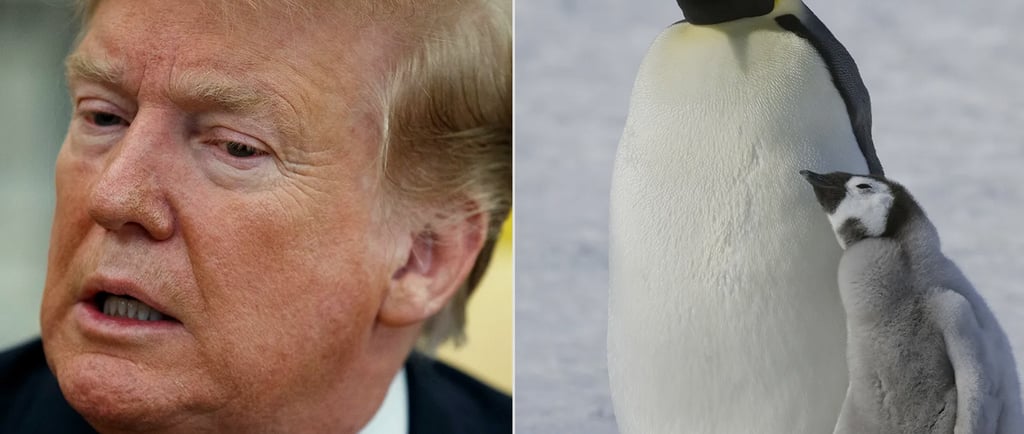
In a dramatic turn that has diplomats gnashing teeth and penguins wondering why they weren’t consulted, the frozen continent has suddenly become hotter than Antarctica’s melting ice sheet.
Antarctica: The Planet’s Ultimate Property Dispute
For decades, Antarctica has been the one place on Earth that countries agreed never to fight over — at least officially. Signed in 1959 and brought into force in 1961, the Antarctic Treaty made the continent a demilitarized zone dedicated to science, peace, and avoiding the most awkward geopolitical turf war in human history. It prohibited military activity, froze territorial claims, and encouraged cooperation among nations that otherwise couldn’t agree on lunch, much less land ownership.
But as the planet warms, youth activists demand justice, and diplomats turn every summit into an episode of Survivor: Global Edition, a strange new debate has erupted: who gets to borrow Antarctica first?
(Note: “borrow” here is the diplomatic equivalent of “I’ll just hold onto this for a while, thanks.”)
The “Strategic Loan” Idea That Set the World Ablaze
It all started at an international treaty meeting — you know, the ones that normally decide nothing except how to alphabetize country names — when one delegate half‑jokingly suggested “temporary stewardship” of Antarctica. What was meant as a joking metaphor quickly made headlines.
Suddenly, headlines were screaming headlines about who would be first in line to “borrow” Antarctica for peaceful purposes — and possibly not‑so‑peaceful economic ones. As global tensions simmer, some leaders began pitching their national interests as though Antarctica were a Times Square billboard up for lease.
Russia and China: The Ice Ambitions
On one side of the debate stand Russia and China, each building up research stations and scientific outposts like kids landscaping a sandbox so they can claim the best corner. China, for instance, has been steadily expanding its Antarctic presence with new research stations — most recently a proposed seasonal station at Marie Byrd Land. Officials insist these expansions are purely scientific, despite skeptics suspecting a subtle strategic angle.
Meanwhile, Russia has been cozying up to tales of massive untapped oil reserves beneath the ice. Despite the Antarctic Treaty’s mining ban, a leaked document suggested Moscow isn’t shy about contemplating future access to hydrocarbons — raising eyebrows (and possibly penguin protests) worldwide. Environmentalists and treaty advocates have warned that such maneuvers might undermine the well‑intended governance system established over six decades ago — but where there’s potential oil and geopolitical clout, nuance tends to melt faster than sea ice.
The U.S. and Its Shrinking Antarctic Footprint
At the same time, the United States has quietly dialed back its Antarctic influence. Funding cuts to key science programs and reductions in logistical support — including the winding down of dedicated research vessels — have left some scientists lamenting that the U.S. is “losing ground” at the very continent it helped protect.
One consequence of these changes is that other powers, particularly China and Russia, now have more leeway to shape the region’s future. And when it comes to debates about “borrowing” Antarctica, relative influence matters more than ever.
The Strange Logic of Borrowing vs. Owning
So what does it mean to “borrow” Antarctica?
Legally, the Antarctic Treaty already freezes permanent ownership claims and prohibits mining and military activities. But in diplomatic parlance, “borrowing” has become a euphemism for temporary stewardship — with all the strategic spin that implies.
Some analysts joke that the nations aren’t really vying to own Antarctica (yet), but simply to secure influence reminiscent of a homeowner loaning out his living room sofa — only to return later demanding reparations for spilled lemonade. In international politics, you don’t take land; you get invited to manage it very responsibly, with friends.
And sometimes that “very responsibly” looks suspiciously like control with benefits.
Penguins: The Real Overlooked Stakeholders
Across the icy expanses, penguins have reportedly expressed “a mild concern” — though sources close to the birds indicate they’d rather focus on fish stocks than geopolitics. Still, it would be hard to blame them if they felt sidelined. After all, Antarctica has no native human population, and these flightless diplomats have been happily waddling around since before the first treaty was inked.
Meanwhile, would‑be brokers of Antarctic stewardship have been careful to assure the world that their intentions are noble, climate‑focused, and strictly scientific. (Except when those intentions sound like plans to strategically position fleets or secure future fossil fuel reserves.) But nuance in diplomatic lingua rarely sells headlines.
The Treaty That Tried To Keep the Peace
The 1959 treaty was designed to avoid exactly this sort of competition. Its framers had witnessed a century of territorial conquest elsewhere and decided that Antarctica should be a scientific preserve, not another annexed plot on a global Monopoly board.
Under the treaty, seven countries once laid soft claims to chunks of the continent, but these claims were largely put into legal limbo by the agreement. Since then, dozens more nations have signed on as consultative parties — meaning they can partake in shaping policies — but none has the right to exert sovereign control.
Yet as the planet warms and strategic interests shift, the specter of competition has returned. Suddenly, discussions of stewardship start sounding like an auctioneer calling bids: “Going once! Going twice! Who wants to borrow the South Pole for five years?”
A Continent at a Crossroads
Even forums dedicated to protecting Antarctica’s environmental and security interests are grappling with these tensions, emphasizing that geopolitical competition and climate change are deeply interlinked challenges. These conversations show that Antarctica’s future isn’t just about frozen frontiers — it’s about how the world cooperates (or fails to) in an era of shifting power balances and ecological urgency.
So Who’s Winning the Great Antarctic Borrow?
The answer right now is: no one — and that’s by design.
The treaty system has prevented overt territorial grabs, and for now, Antarctica remains a shared scientific commons. But “borrowing debates” reflect deeper anxieties about geopolitical influence and resource security in a world that seems increasingly short on both.
Much like a group of friends who can’t decide who gets to hold onto the cherished vintage gaming console — yet all agree it should stay in the living room — Antarctica’s governance is built on cooperation, cautious diplomacy, and the faint hope that hot air doesn’t melt the ice too quickly.
Nonsense
Join us for absurd headlines and laughs.
© 2025. All rights reserved.